
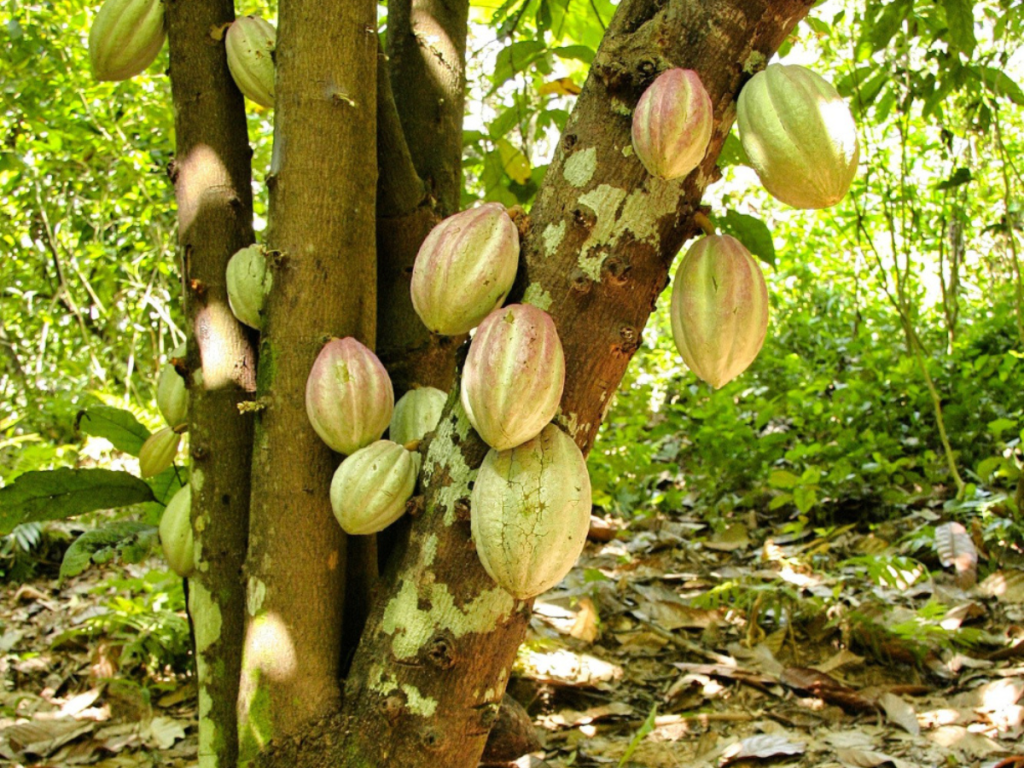
Cocoa was introduced into Nigeria in 1874, first planted in Bonny (in present-day Rivers State) before spreading to the Southwest, where the climate and soils proved ideal. By the early 20th century, cocoa farms flourished in Ondo, Ogun, Oyo, and Osun States, later extending into parts of Cross River State.
By the 1950s and 1960s, cocoa had become Nigeria’s leading cash crop and a primary foreign exchange earner, with export revenues funding schools, hospitals, and landmark infrastructure projects. During this period, Nigeria ranked among the top global producers by volume, alongside Ghana and Côte d’Ivoire.
Cocoa production was not just economic but also organizational. The establishment of the Western Nigeria Marketing Board in 1947 and the rise of cocoa farmers’ cooperatives ensured stable pricing, collective bargaining, and community development. These institutions strengthened rural economies and reinforced cocoa’s central place in Yoruba identity and pride.
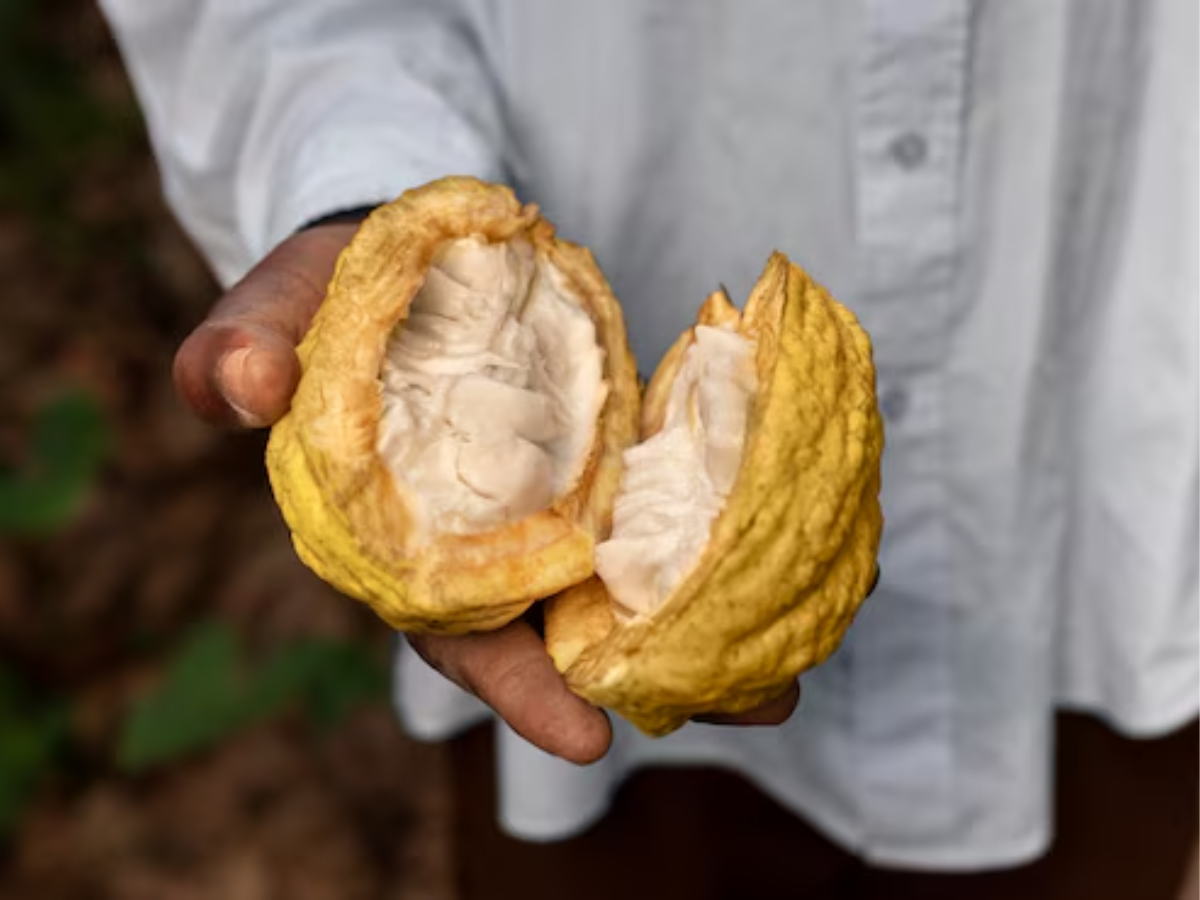
At its peak, cocoa farming shaped daily life: seasonal festivals marked harvests, cooperative societies built social networks, and the crop became a symbol of prosperity across Western Nigeria. Though production declined after the 1970s with the oil boom and neglect of agriculture, cocoa remains an important export and a reminder of the crop that once powered Nigeria’s economy.
Today, Nigeria is still among Africa’s leading cocoa producers, though behind Côte d’Ivoire, Ghana, and Cameroon. Cocoa’s legacy endures, not only in trade but also in culture, where it stands as a marker of the resilience and ingenuity of Nigerian farmers.
For more information on how to get started on Cocoa Farming, you can reach out to us on the IbgroCare Official website.
📖 Sources: Central Bank of Nigeria reports; FAO production statistics; J.A. Atanda, An Introduction to Yoruba History (1980); Nigerian Cocoa Board archives.
Photo Credit: Marie Lizette