If you’re planning to invest in oil palm farming, this may be the most important thing you’ll read today.
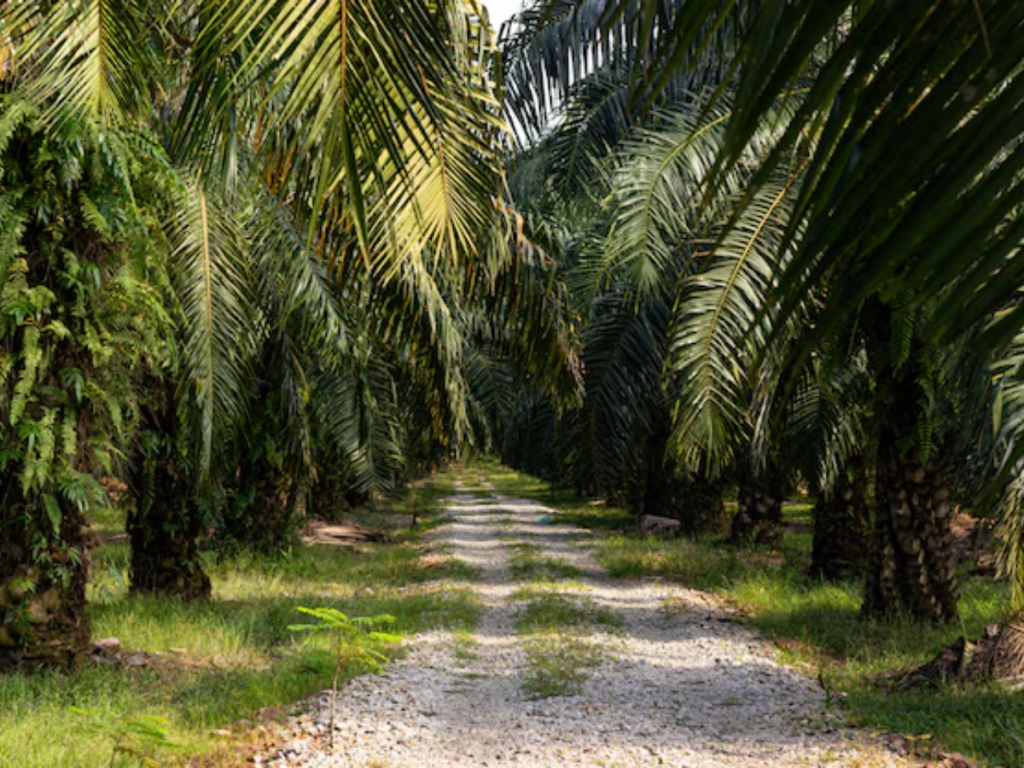
Oil palm farming is often seen as a long-term wealth investment. Many people plant palm trees with the hope that in a few years, the plantation will begin generating steady income for decades. Yet, a surprising number of palm plantations underperform or completely fail to deliver the expected returns.
The problem is rarely fertilizer.
It is rarely funded.
And it is rarely an effort.
In most cases, the failure begins with one foundational mistake — the choice of seedlings.
The Costly Error Most Farmers Make
One of the most common mistakes in oil palm farming is sourcing seedlings without proper verification. Some farmers buy from informal sources, relatives, roadside sellers, or local markets simply because the seedlings look healthy and affordable.
However, oil palm farming is not about how tall or green a tree appears. It is about oil yield. And oil yield is determined primarily by the genetic variety of the seed planted.
Two plantations may look similar from a distance. Both may have tall, mature palms. Yet one farm produces significantly more oil and generates higher revenue, while the other struggles with low extraction rates year after year.
The difference lies in the seed type.
Understanding the Difference: Dura vs Tenera
In commercial oil palm production, two major fruit types are commonly discussed: Dura and Tenera.
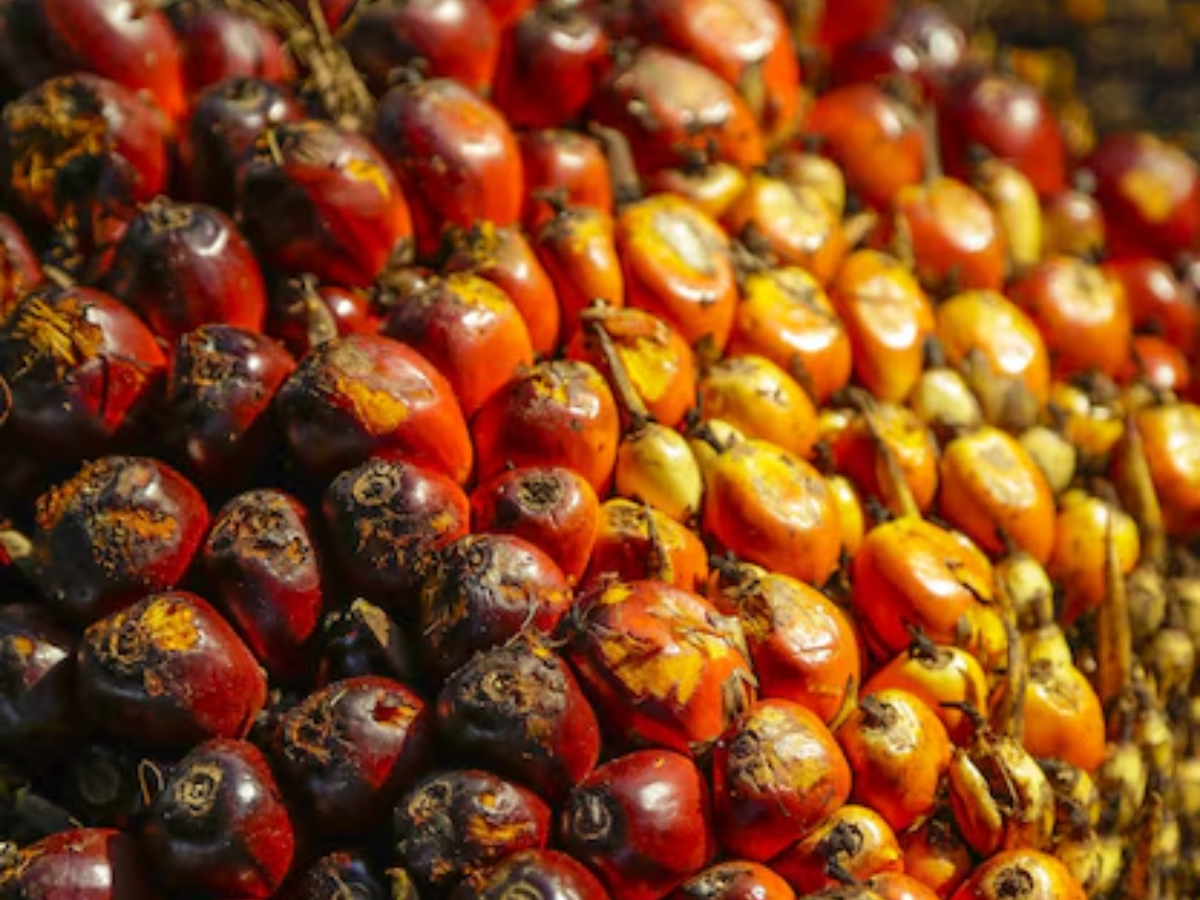
Dura palms have thick shells and generally produce lower oil yields. While they grow well and may appear strong and tall, their oil extraction rate typically ranges between 10–15%. For commercial operations, this can significantly reduce profitability over time.
Tenera palms, on the other hand, are hybrids known for higher oil content and thinner shells. Their oil extraction rate typically ranges between 18–25%, and in some cases even higher when processed with efficient machinery. Over the lifespan of a plantation, this difference can translate into substantial financial gains.
The unfortunate reality is that many farmers do not verify which variety they are planting until years later, when harvest results begin to disappoint.
Why the First Decision Determines the Next 25 Years
Oil palm is not a short-term crop. A plantation can remain productive for 25 to 30 years or more. This means the decision made at the planting stage affects income for decades.
If the wrong variety is planted, there is no easy correction. Once the trees mature, the only way to change the outcome is to cut them down and replant — losing years of growth, labour, and investment.
That is why seed selection is not a minor detail. It is the foundation of the entire project.
The Illusion of a “Healthy” Plantation
Many farmers assume that if trees grow tall and produce bunches, everything is fine. But growth does not equal profitability.
A plantation filled with Dura palms may look impressive, but generate consistently lower oil output. Meanwhile, a smaller plantation of properly sourced Tenera palms may outperform it financially.
Commercial agriculture requires more than planting and waiting. It requires informed decisions at every stage — starting with certified, verified seedlings from trusted agricultural sources.
A Question Every Palm Farmer Should Ask
If you already have a plantation, do you know which variety is on your land?
If you are planning to invest, have you confirmed the seed type before planting?
Oil palm farming can be highly profitable when done correctly. But the margin between success and long-term regret often lies in a decision made on day one.
Before clearing land.
Before investing capital.
Before dreaming of harvest.
Ensure you are planting the right variety.
Because in oil palm farming, the seed you choose today determines the income you earn tomorrow.
At Ibgrocare Farm, our GroCash department specializes in sourcing and nurturing certified, high-yield Tenera seedlings. Don’t let the first decision be your last mistake. Contact us today at ibgrocare.com.ng